Best AI visibility tools
The 10 Best AI Search Visibility Tools for 2026
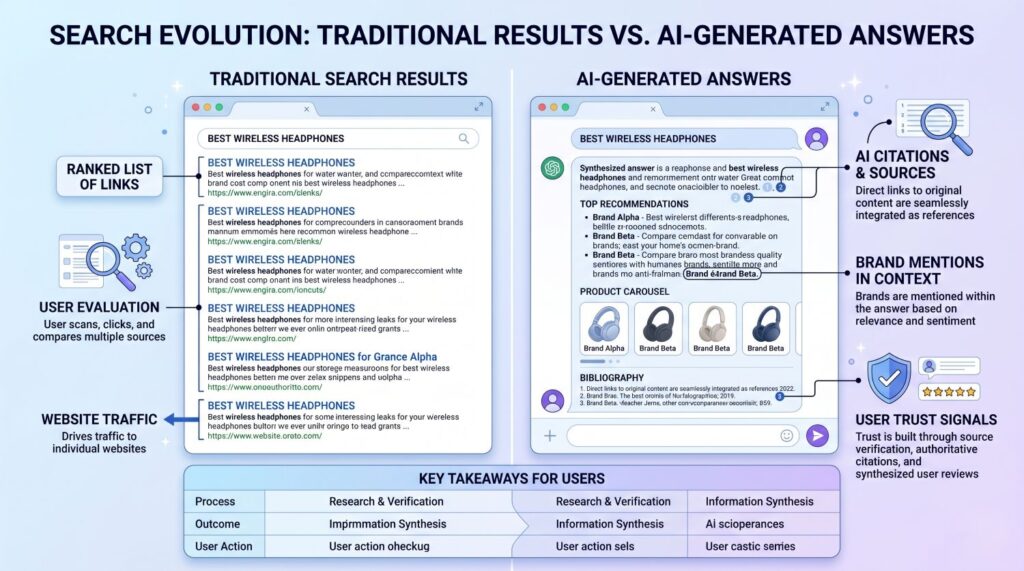
Ranking on Google used to be simple. If you secured a spot in the top three blue links, traffic was guaranteed. But the way people find information has changed. Your audience now asks ChatGPT, Perplexity, and Google AI Overviews for answers, often skipping traditional search results.
If your brand isn’t cited as a source in these AI responses, you’re missing out on significant traffic. Getting recommended by artificial intelligence is the new frontier of search engine optimization, often called Generative Engine Optimization (GEO).
To succeed, you need the right tracking software. This guide breaks down the best AI search visibility tools for 2026. We’ll explore what these platforms do, why you need them, and how to choose the right one to get your content noticed by today’s leading AI engines.
What are AI visibility tools?
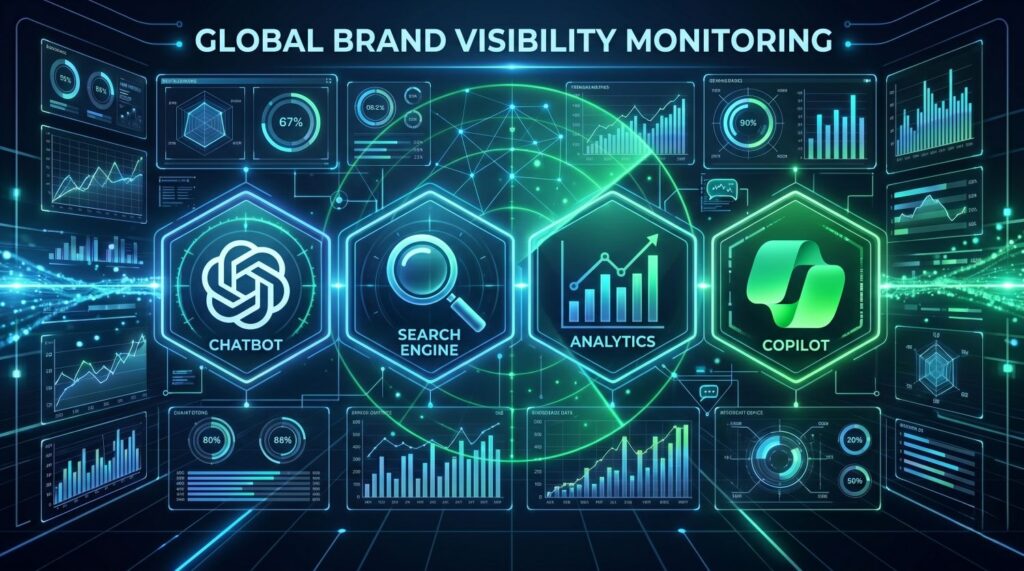
An AI visibility tool is software designed to monitor how often your brand, website, or product is mentioned by artificial intelligence platforms. Instead of tracking traditional keyword rankings, these tools track your presence across AI search engines like ChatGPT, Microsoft Copilot, Gemini, and Perplexity.
They essentially act like a radar for your brand. They run hundreds of prompts relevant to your industry and analyze the AI-generated answers. The software then tells you if your website was cited as a source, how your brand was described, and whether your competitors are stealing the spotlight.
Why AI search visibility matters
Search behavior is changing rapidly. Millions of users now prefer chatting with an AI assistant to scrolling through web pages. When an AI model answers a user’s question, it usually provides a few key citations.
Earning one of those citation links builds incredible trust with your audience. Users view AI recommendations as highly authoritative. If a tool like Perplexity names your software as the best option, the clicks you receive are highly qualified and ready to convert. Tracking your brand visibility in AI search platforms allows you to see exactly where you stand, identify content gaps, and adjust your strategy before you lose market share.
The best AI search visibility optimization tools
There is no single perfect tool for everyone. The software you choose depends heavily on your budget, your team size, and your specific goals. Here is a breakdown of the best AI visibility tracking tools available right now.
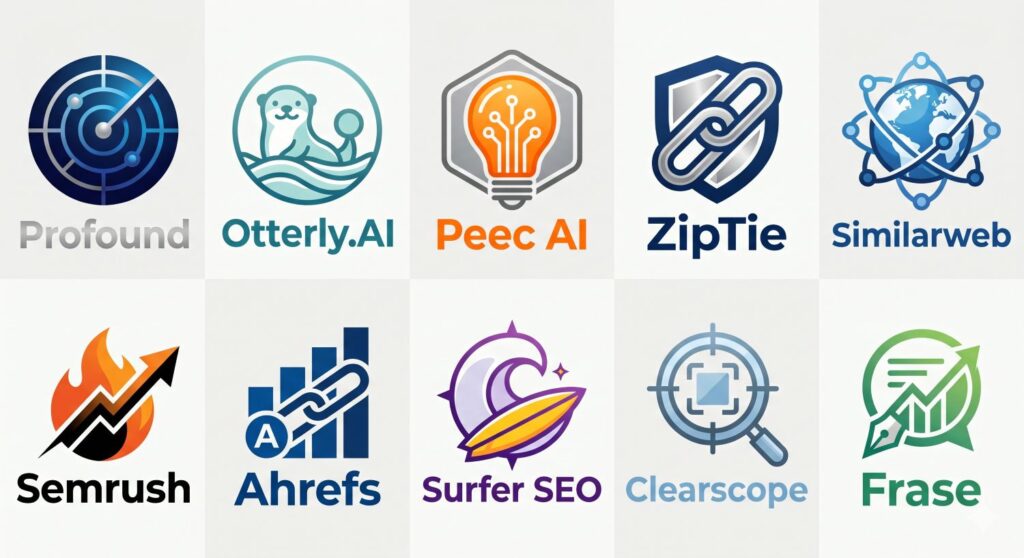
If you are running a large organization, Profound is the top pick for all-in-one enterprise needs. It offers massive scale for tracking brand mentions across multiple language models. The platform provides highly detailed reporting that executives love, making it easy to tie your AI search visibility directly to revenue.
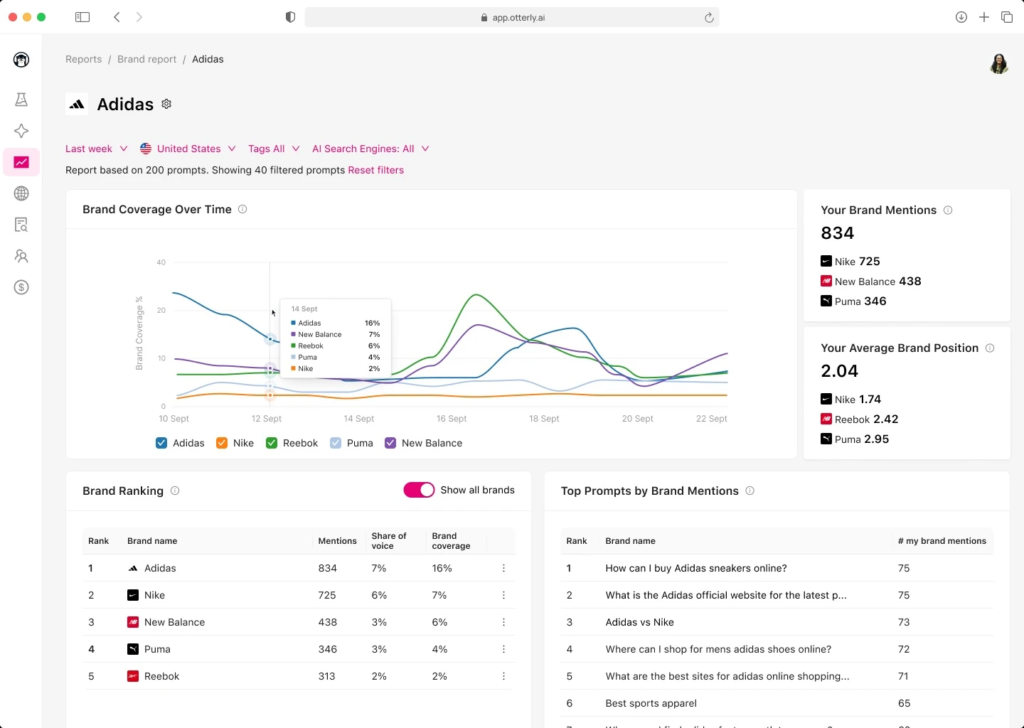
Otterly.AI stands out for its affordability and power. It effectively tracks ChatGPT, Perplexity, and Google AI Overviews. With features like brand mention tracking, citation monitoring, and automated GEO recommendations, it offers smaller marketing teams and bloggers enterprise-level insights on a budget.
Peec AI offers actionable advice and smart suggestions. Rather than presenting a dashboard of numbers, the tool analyzes your content and provides specific recommendations on what to add or rewrite, helping you rank higher than competitors in AI engine results.
ZipTie is heavily focused on deep analysis and reporting. It helps you understand the exact triggers that cause an AI to cite a specific source. If you want to get deep into the data and build complex Generative Engine Optimization campaigns, ZipTie offers the granular data you need.
You might already know Similarweb for website traffic analysis, but it is also great for side-by-side SEO and GEO tracking. You can view your traditional search metrics right next to your AI search performance, giving you a complete picture of your digital footprint in one place.
Semrush is an absolute powerhouse for existing Semrush users. They have started integrating AI tracking features into their broader SEO suite. If you already pay for Semrush to track your backlinks and keyword rankings, using their built-in AI visibility features is a logical next step.
Ahrefs remains a top-tier choice for benchmarking brand performance. Their vast link database helps you see where AI engines might be pulling their information from. Building the right backlinks is still crucial for AI visibility, and Ahrefs helps you monitor that entire ecosystem.
Surfer SEO helps you build the exact content structures that AI bots love to read. By analyzing top-performing pages, Surfer tells you which terms and headings to include. This structured approach makes it incredibly easy for AI engines to crawl, understand, and cite your blog posts.
Clearscope is widely considered the premium standard for content creators. It ensures your articles are highly relevant and comprehensive. When you write content that thoroughly answers a user’s intent using Clearscope’s grading system, AI engines are much more likely to pull your paragraphs into their final answers.
Frase helps you build content briefs based on the questions people are actually asking. By optimizing your content to answer specific, long-tail questions, you drastically improve your chances of being cited by conversational AI tools.
Key features to look for
When testing tools for tracking brand visibility in AI search, look for these key features:
- Multi-engine support: Ensure the tool tracks major AI platforms like ChatGPT, Gemini, Perplexity, and Google AI Overviews.
- Citation tracking: The tool must identify the specific URLs cited by the AI.
- Competitor benchmarking: You should be able to compare your “Share of Voice” against your main competitors.
- Actionable insights: The best tools offer specific recommendations for improving your content and visibility.
How to improve AI search visibility
Once you have your tracking software set up, you can start optimizing your content. To get cited by AI, write clear, direct answers to common questions. Use clean formatting with headings and bullet points so AI crawlers can easily parse your information.
AI engines also look for external validation. Earning mentions on high-authority websites, news outlets, and active Reddit threads signals to the AI that your brand is a trusted entity in your niche.
Common mistakes to avoid
Many creators try to optimize for AI by using robotic language or keyword stuffing. This backfires completely. AI models prioritize natural, helpful, and highly readable content.
Another big mistake is ignoring traditional SEO. The web crawlers that feed AI models still rely on things like site speed, mobile optimization, and high-quality backlinks to determine if your site is trustworthy.
FAQs
What are the best ai search visibility tools?
The best tools depend on your needs, but top options include Otterly.AI for affordable tracking, Profound for enterprise reporting, Peec AI for smart content suggestions, and Clearscope for optimizing your actual writing.
What is an AI visibility tracker?
An AI visibility tracker is a marketing tool that monitors how often your website or brand is mentioned in the responses generated by AI search engines like ChatGPT and Perplexity.
How do you optimize for generative engine optimization (GEO)?
To optimize for GEO, you should write clear, direct answers to user questions, use structured data and clean formatting, and build strong brand mentions across authoritative third-party websites.